-
Shop
- Advanced Technologies
- AI Skills Mastery 2026 Collection
- Car Accessories
- Dating & Social Skills
- Digital Resources
- Budgeting & Saving
- Emotional Intelligence
- Entrepreneurship & Business Growth
- Financial Independence
- Financial Mindset & Psychology
- Goal Setting
- Leadership
- Mindfulness
- Motivation
- Positive Thinking
- Productivity
- Self Confidence
- Sleep Improvement
- Stress Management & Relaxation
- Yoga & Mind-Body Practices
- Education & Learning
- Family & Parenting
- Fashion
- Accessories
- Alexander McQueen
- Bags
- Bags & Wallets
- Balenciaga
- Belts
- Blazers
- Blouses & Shirts
- Bottega Veneta
- Bottoms
- Brunello Cucinelli
- Burberry
- Chanel
- Chloé
- Dior
- Dolce & Gabbana
- Dresses
- Etro
- Fendi
- Gucci
- Hats & Hair Accessories
- Hoodies & Sweatshirts
- Jacquemus
- Jewelry
- Jil Sander
- Keychains
- Kiton
- Luggage
- Luggage Bags
- Miu Miu
- Off-White
- Outerwear
- Prada
- Rick Owens
- Saint Laurent
- Socks & Tights
- Sweaters & Cardigans
- The Row
- Tom Ford
- Tops & Shirts
- Valentino
- Valentino Garavani
- Versace
- Vivienne Westwood
- Watches
- Furniture
- Gadgets
- Health & Beauty
- Health & Wellness
- Home & Garden
- Kids & Babies
- Kitchen
- Lighting
- Patio, Lawn & Garden
- Personal Growth
- Pet Care
- Pet Supplies
- Pets
- Shoes
- Sport & Outdoors
- Travel
- Wealth
One-Size Pocket Cloth Diaper (3–33 lbs): Suede Inner
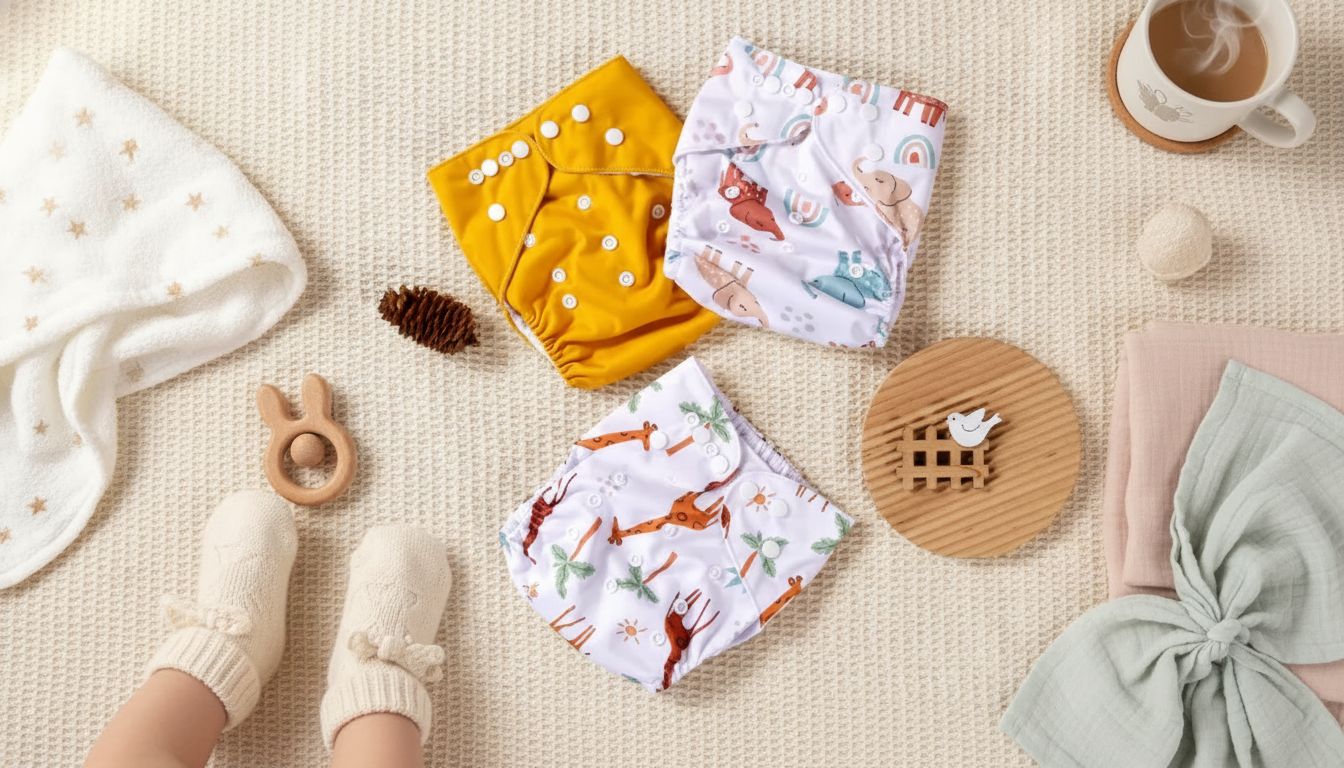
Adjustable One-Size Pocket Cloth Diapers with Suede Cloth Inner (3–33 lbs)
A practical pocket-style cloth diaper designed to grow with babies from early infancy through toddlerhood. The adjustable rise and snap fit help tailor comfort and reduce leaks, while the suede cloth inner is made to feel soft against skin and move moisture away from the surface.
What Makes This Diaper “One Size”
One-size pocket cloth diapers are built around adjustability instead of separate newborn, size 1, size 2, and toddler diapers. The goal is straightforward: keep the same outer diaper and change the fit settings as your baby grows.
- Designed to fit a wide weight range (about 3–33 lbs) using adjustable rise snaps and waist snaps.
- Pocket-diaper format allows absorbency to be customized by changing inserts (not all listings include inserts—confirm what’s included).
- Aims to reduce the need to buy multiple diaper sizes as baby grows.
- Useful for daytime routines, childcare, and travel when quick changes and consistent fit matter.
If you’re setting up a stash, a one-size design can help simplify planning: you’re mostly choosing how many diapers you want on hand and which inserts match your baby’s needs.
Suede Cloth Inner: Feel, Dryness, and Skin Comfort
The inner lining is the part that touches your baby’s skin, so it matters for comfort and for how “wet” the diaper feels between changes.
- Suede cloth inner is typically chosen for a soft, stay-drier feel against baby’s skin.
- Helps pull moisture through to the absorbent insert in the pocket, keeping the surface feeling less wet.
- May be helpful for reducing prolonged damp contact that can contribute to irritation (fit changes frequently still matter most).
- If baby is sensitive, wash before first use and avoid heavy fabric softeners that can leave residues and reduce performance.
For any diapering routine, frequent changes and a breathable barrier (when needed) are key fundamentals. For diaper rash background and care basics, see the American Academy of Pediatrics guidance on diaper rash.
Pocket Diaper Design: How the Absorbency Works
Pocket diapers separate the “shell” (water-resistant outer with lining) from the absorbency (the insert that goes in the pocket). This gives you flexibility without changing the diaper cover itself.
- Pocket opening allows inserts to be added or removed depending on how long the diaper needs to last.
- Absorbency can be increased for naps, longer outings, or heavy wetters by layering inserts (avoid over-stuffing, which can affect fit and cause leaks).
- Faster dry time potential vs. sewn-in all-in-one styles because components can be separated.
- Insert material choices (microfiber, bamboo, cotton, hemp) affect speed of absorption and total capacity.
A common approach is to pair a faster-absorbing insert (quickly catches the first “flood”) with a higher-capacity insert underneath (holds more over time). If you’re troubleshooting leaks, consider whether the insert combination is matching the time between changes.
Adjustable Fit: Waist, Rise, and Leg Openings
Fit is where pocket diapers really shine—when the snaps are dialed in, you can get a secure seal without pinching.
- Rise snaps help shorten or lengthen the diaper to match baby’s torso height.
- Waist snaps help fine-tune snugness without pinching; fit should be secure but allow comfortable movement.
- Leg elastics should sit in the “underwear line” (not on the thigh) to help prevent gaps and leaks.
- Common leak causes: too-loose legs, insert not positioned correctly, diaper over-stuffed, or compression from tight clothing.
Quick Fit Guide by Approximate Weight (Adjust as Needed)
| Baby size | Approx. weight | Rise setting | Waist/hip fit tips |
|---|---|---|---|
| Newborn/small | 3–12 lbs | Shortest rise (most snapped) | Keep waist snug; watch for leg gaps without overtightening |
| Infant | 12–22 lbs | Middle rise | Aim for two-finger comfort at waist; ensure insert lies flat in pocket |
| Toddler | 22–33 lbs | Longest rise (least snapped) | Avoid over-stuffing; check for compression from snug pants |
Leak Prevention and Overnight Expectations
During the day, a properly fitted pocket diaper with the right insert is often very dependable. Overnight is a different test: longer wear time, more output, and lots of body movement.
Washing and Care for Best Performance
Good hand hygiene is also part of a smooth diapering routine. The CDC’s handwashing guide is a reliable reference: Handwashing: Clean Hands Save Lives.
What to Look For When Setting Up a Cloth Diaper Routine
Product Snapshot
Shop In-Stock Picks
- Adjustable Cloth Diapers with Suede Cloth Inner | One Size Pocket Diapers 3-33 lbs
- Dual-Ended Eyebrow Brush and Comb for Precise Brow Shaping
- Chic Half Moon Leather Crossbody Bag
FAQ
Will a one-size pocket cloth diaper really fit from 3 to 33 lbs?
Rise and waist snaps expand the usable range by shortening the torso length for small babies and lengthening it as they grow. Fit still varies by body shape, so very small newborns may need the smallest rise/waist settings and extra attention to getting a snug leg seal.
How many inserts are needed for daytime vs. naps or overnight?
Many daytime changes work well with one insert, depending on insert type and how often you change. For naps or heavy wetters, two inserts are common; overnight typically needs layered absorbency (fast on top, high-capacity underneath) while avoiding over-stuffing that can cause compression leaks.
How should pocket diapers with a suede cloth inner be washed?
Pre-wash before first use, then follow a regular wash routine that rinses thoroughly to avoid detergent buildup. Skip heavy fabric softeners, and consider air-drying to help preserve elastics (low tumble drying can work when compatible with the materials).
Recommended for you

Was this article helpful?
Yes
No








Leave a comment