-
Shop
- Advanced Technologies
- AI Skills Mastery 2026 Collection
- Car Accessories
- Dating & Social Skills
- Digital Resources
- Budgeting & Saving
- Emotional Intelligence
- Entrepreneurship & Business Growth
- Financial Independence
- Financial Mindset & Psychology
- Goal Setting
- Leadership
- Mindfulness
- Motivation
- Positive Thinking
- Productivity
- Self Confidence
- Sleep Improvement
- Stress Management & Relaxation
- Yoga & Mind-Body Practices
- Education & Learning
- Family & Parenting
- Fashion
- Accessories
- Alexander McQueen
- Bags
- Bags & Wallets
- Balenciaga
- Belts
- Blazers
- Blouses & Shirts
- Bottega Veneta
- Bottoms
- Brunello Cucinelli
- Burberry
- Chanel
- Chloé
- Dior
- Dolce & Gabbana
- Dresses
- Etro
- Fendi
- Gucci
- Hats & Hair Accessories
- Hoodies & Sweatshirts
- Jacquemus
- Jewelry
- Jil Sander
- Keychains
- Kiton
- Luggage
- Luggage Bags
- Miu Miu
- Off-White
- Outerwear
- Prada
- Rick Owens
- Saint Laurent
- Socks & Tights
- Sweaters & Cardigans
- The Row
- Tom Ford
- Tops & Shirts
- Valentino
- Valentino Garavani
- Versace
- Vivienne Westwood
- Watches
- Furniture
- Gadgets
- Health & Beauty
- Health & Wellness
- Home & Garden
- Kids & Babies
- Kitchen
- Lighting
- Patio, Lawn & Garden
- Personal Growth
- Pet Care
- Pet Supplies
- Pets
- Shoes
- Sport & Outdoors
- Travel
- Wealth
AI Workout Planner eBook for Beginners: Simple Weekly Plans
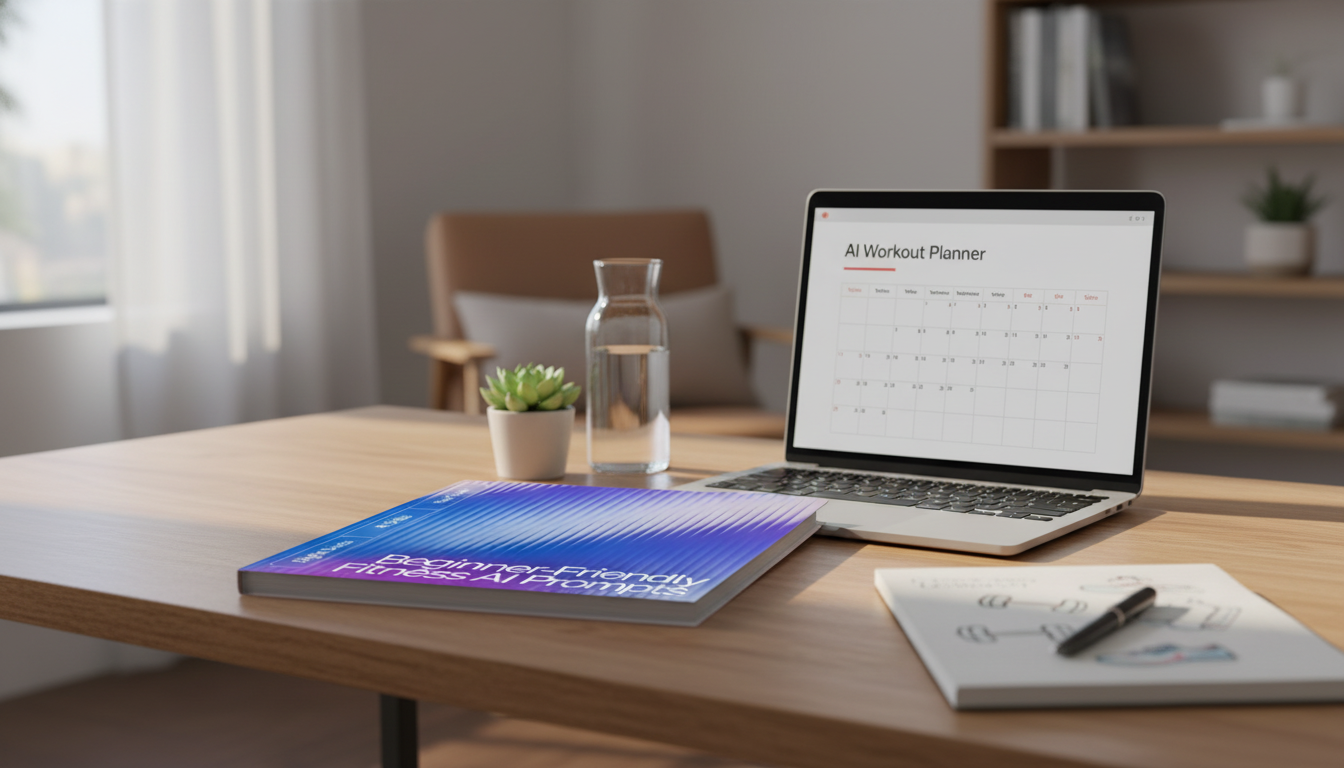
Beginner-Friendly AI Workout Planning eBook for Easy, Smart Exercise
Starting a fitness routine is simpler when the decisions are already mapped out. A reusable, editable wellness eBook with AI-assisted guidance helps beginners turn goals, schedules, and preferences into clear, repeatable workout plans—without guesswork, complicated jargon, or overtraining. Instead of bouncing between random workouts, you can build a steady plan that fits real life and evolves as you get stronger.
For general activity recommendations, you can also compare your routine to trusted guidelines from the CDC and the ACSM.
What This Digital Download Helps Beginners Do
- Turn a broad goal (fat loss, strength, energy, mobility) into a weekly routine with realistic time blocks.
- Choose beginner-safe movements based on equipment, space, and past injuries or limitations.
- Create simple progression rules (add reps, sets, or time) so workouts stay effective as fitness improves.
- Build consistency with short sessions, recovery days, and habit-friendly reminders.
- Edit and reuse the planning pages for different phases (busy weeks, travel, returning after a break).
Who It’s For (and When It’s Not the Right Fit)
- Good fit: complete beginners who want structure and a clear starting point.
- Good fit: people who feel overwhelmed choosing exercises or building a weekly schedule.
- Good fit: home or gym users who want workouts adjusted to available equipment.
- Not ideal: advanced athletes needing sport-specific periodization and high-volume programming.
- Safety note: anyone with medical conditions, pain, or recent injury should seek professional guidance before starting or changing training.
What’s Inside: Editable Planning Templates and AI-Assisted Questions
The core value of an editable planner is that it doesn’t lock you into a single routine. You can start simple, repeat what works, and make small changes when life shifts.
- Goal-setting pages that translate priorities into measurable targets and weekly actions.
- Workout planning frameworks for full-body, upper/lower, or short-session routines.
- Movement selection checklists for beginner-friendly strength, cardio, and mobility.
- Recovery planning pages (sleep, stress, rest days, deload weeks).
- Progress tracking pages to record workouts, perceived effort, and small wins.
- Reusable question sets that help an AI tool generate options tailored to constraints (time, equipment, preferences).
Beginner Setup Options (choose one to start)
| Schedule | Weekly Frequency | Session Length | Best For | Example Focus |
|---|---|---|---|---|
| Minimum | 2 days/week | 20–30 min | Busy weeks, habit-building | Full-body strength + short walks |
| Balanced | 3 days/week | 30–45 min | Most beginners | Full-body strength + light cardio |
| Progressive | 4 days/week | 35–60 min | Faster progress with recovery | Upper/lower split + mobility |
How to Use the Templates to Build a Week of Workouts
- Step 1: Set constraints first (days available, session length, equipment, movement limitations).
- Step 2: Pick a simple weekly structure (2–4 days) and decide the primary focus (strength, stamina, mobility).
- Step 3: Choose 4–6 core movements per session: squat pattern, hinge pattern, push, pull, core, and optional carry.
- Step 4: Assign beginner-friendly volume: 2–3 sets of 6–12 reps (or time-based sets) with comfortable effort.
- Step 5: Add a short warm-up and a short cooldown so the plan feels complete and repeatable.
- Step 6: Set one progression rule for the entire month (example: add 1–2 reps each week until the top of the range, then add a small amount of load).
- Step 7: Track perceived effort and soreness to adjust intensity and protect recovery.
If you’re unsure how much activity to aim for overall, the NIH National Institute on Aging offers practical guidance on balancing strength, aerobic work, and mobility—especially helpful when you’re building a sustainable routine.
Beginner-Safe Guardrails for Smart Progress
- Keep intensity moderate at first: finish most sets with 2–4 reps “in reserve” instead of training to failure.
- Prioritize form and consistency over adding weight quickly.
- Increase only one variable at a time (reps, sets, time, or load).
- Plan recovery: include at least 1–2 easier days per week and aim for regular sleep.
- Use pain as a stop signal: sharp pain or joint pain calls for modification or professional advice.
Common Beginner Roadblocks (and Simple Fixes)
- “No time”: use the Minimum schedule, focus on full-body sessions, and add walking breaks.
- “Don’t know what to do at the gym”: follow a repeatable A/B routine and keep exercise selection stable for 4 weeks.
- “Sore for days”: reduce sets, slow progression, and add mobility work and lighter sessions.
- “Lose motivation”: track streaks, keep sessions short, and use small goals (like completing all warm-ups for a week).
- “Travel weeks”: swap to bodyweight versions and keep the routine cadence.
Digital Download Details and Practical Tips
Recommended Products
- Beginner-Friendly Fitness AI Workout Planning eBook (Digital Download) — A structured, editable wellness eBook designed to help beginners plan workouts with AI-assisted guidance and reusable templates.
- GPS sports smartwatch for activity and health tracking — Useful for logging walks, workouts, and basic health stats so you can spot patterns and stay consistent.
FAQ
Is this suitable for someone who has never worked out before?
Yes. The templates start with simple schedules, beginner-safe movement patterns, and gradual progression so you can build consistency without doing too much too soon. If you have medical conditions, pain, or a recent injury, get medical clearance before starting.
Do I need a gym to use it?
No. You can build workouts around what you have—bodyweight-only, a few dumbbells at home, or full gym equipment—and swap exercises based on your space and tools.
How fast should a beginner increase weight or difficulty?
Use a conservative approach: increase only one variable at a time (reps, sets, time, or load), keep most sets at moderate effort, and prioritize form and recovery. A simple rule is to add reps within a range first, then add a small amount of weight once you consistently hit the top of that range.
Recommended for you


Was this article helpful?
Yes
No








Leave a comment