-
Shop
- Advanced Technologies
- AI Skills Mastery 2026 Collection
- Car Accessories
- Dating & Social Skills
- Digital Resources
- Budgeting & Saving
- Emotional Intelligence
- Entrepreneurship & Business Growth
- Financial Independence
- Financial Mindset & Psychology
- Goal Setting
- Leadership
- Mindfulness
- Motivation
- Positive Thinking
- Productivity
- Self Confidence
- Sleep Improvement
- Stress Management & Relaxation
- Yoga & Mind-Body Practices
- Education & Learning
- Family & Parenting
- Fashion
- Accessories
- Alexander McQueen
- Bags
- Bags & Wallets
- Balenciaga
- Belts
- Blazers
- Blouses & Shirts
- Bottega Veneta
- Bottoms
- Brunello Cucinelli
- Burberry
- Chanel
- Chloé
- Dior
- Dolce & Gabbana
- Dresses
- Etro
- Fendi
- Gucci
- Hats & Hair Accessories
- Hoodies & Sweatshirts
- Jacquemus
- Jewelry
- Jil Sander
- Keychains
- Kiton
- Luggage
- Luggage Bags
- Miu Miu
- Off-White
- Outerwear
- Prada
- Rick Owens
- Saint Laurent
- Socks & Tights
- Sweaters & Cardigans
- The Row
- Tom Ford
- Tops & Shirts
- Valentino
- Valentino Garavani
- Versace
- Vivienne Westwood
- Watches
- Furniture
- Gadgets
- Health & Beauty
- Health & Wellness
- Home & Garden
- Kids & Babies
- Kitchen
- Lighting
- Patio, Lawn & Garden
- Personal Growth
- Pet Care
- Pet Supplies
- Pets
- Shoes
- Sport & Outdoors
- Travel
- Wealth
Metal Buckle Bike Luggage Strap: Secure Rack Loads Fast
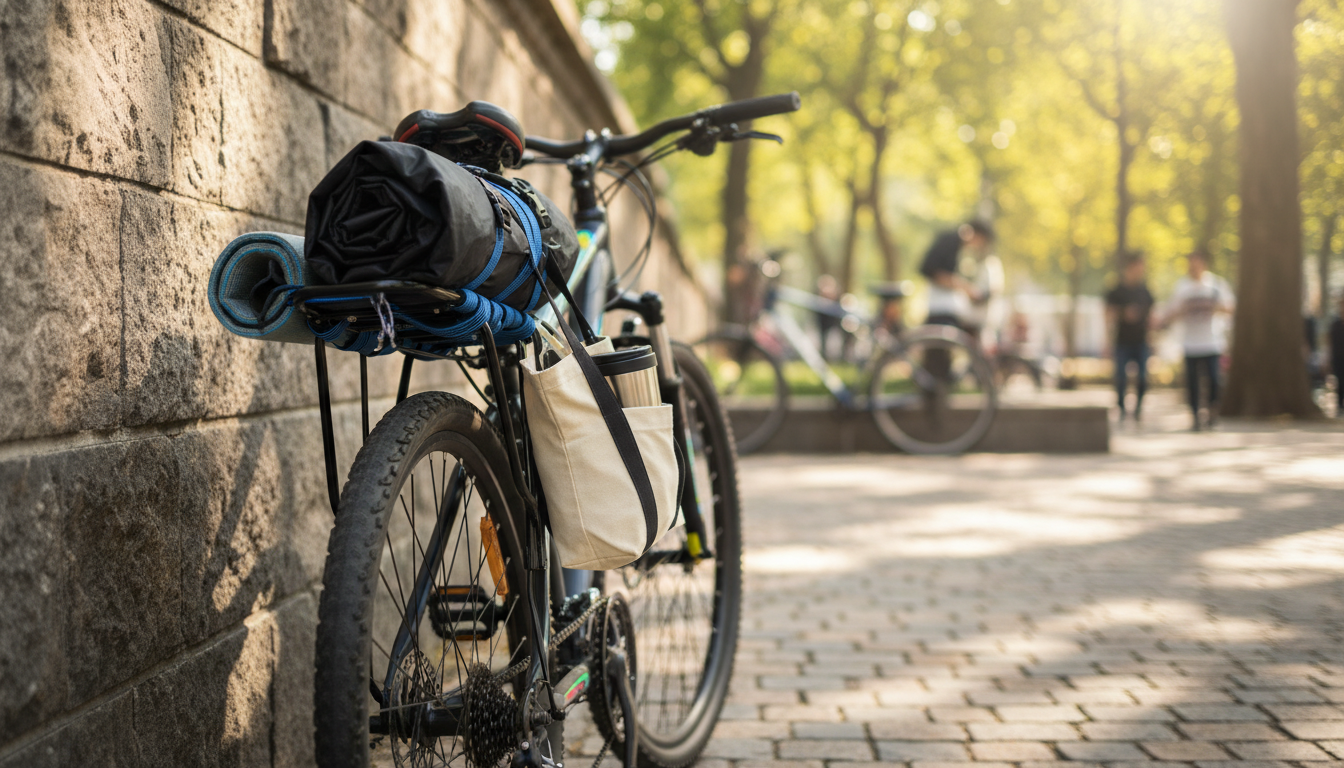
High Elastic Rubber Bike Luggage Strap with Metal Buckle: A Small Upgrade That Makes Loads Feel Locked-In
A reliable way to keep cargo from shifting on the ride is a strap that grips, stretches, and locks down securely. This high elastic rubber bike luggage strap with a metal buckle is designed for fast tie-downs on rear racks, baskets, frames, and pannier tops—helping stabilize everyday loads like jackets, lunch bags, small parcels, and touring essentials. When your cargo stays put, the bike feels calmer over bumps, and quick stops don’t turn into constant re-packing.
What it is and where it works best
An elastic rubber luggage strap is a quick, grab-and-go solution for securing small to medium items on a bike or e-bike. Unlike improvised cords or loose knots, it’s designed to stretch, press down, and hold steady so your load doesn’t creep forward or sway side-to-side.
- Elastic rubber strap built for quick cargo securing on bicycles and e-bikes.
- Metal buckle adds a firm locking point compared with simple hook-style bungees.
- Works well on rear racks, front racks, baskets, and as a supplemental strap around panniers or dry bags.
- Useful for short stops and mixed errands where loads change often.
If you’re building a simple “rack + strap” daily setup, the High Elastic Rubber Bike Luggage Strap with Metal Buckle is an easy add-on that improves consistency across different types of cargo.
Why a metal buckle matters on the road
Road vibration is relentless: potholes, curb cuts, gravel shortcuts, and even rough pavement seams can shake a lightly secured load until it shifts. A metal buckle provides a more confident anchor point than systems that rely on open hooks or elastic tension alone.
- Helps reduce accidental unhooking when riding over potholes, curb cuts, or gravel.
- Provides more consistent tensioning than improvised knots or loose elastic cords.
- Improves handling by keeping weight from sliding side-to-side on a rack platform.
- Adds confidence for irregular-shaped items that are hard to balance (e.g., boxed goods or a folded rain shell).
Keeping a load stable also supports safer riding habits: fewer mid-ride adjustments, fewer surprises when standing up to pedal, and fewer moments where a bag shifts toward the wheel. For general bicycle safety reminders, the National Highway Traffic Safety Administration’s bicycle safety guidance is a solid reference point.
Material and design highlights to look for
Two straps can look similar at a glance but behave very differently once stretched over cargo. Rubber quality, buckle engagement, and how the strap contacts the load all change how secure the setup feels.
- High-elastic rubber: stretches to accommodate bulky loads while maintaining grip and rebound.
- Buckle hardware: prioritize smooth engagement and strong closure to avoid mid-ride loosening.
- Surface contact: rubber against fabric or plastic typically slips less than smooth nylon alone.
- Weather exposure: rubber and metal benefit from basic rinsing/drying after wet, salty, or muddy rides.
If you’re setting up for longer rides where you’ll be checking progress and navigation, pairing a secure cargo setup with a wrist-based tool can be convenient. The Military Outdoor GPS Sports Smartwatch with HD Call & Health Tracking can help keep info accessible without digging through bags at every stop.
Everyday use ideas for commuting and touring
A buckle strap shines when your cargo changes day to day. It’s fast to apply, easy to remove, and flexible enough to handle odd shapes that don’t fit perfectly inside panniers.
For broader touring considerations—packing, daily mileage expectations, and on-road routines—Adventure Cycling Association’s Bike Touring Basics is a helpful overview.
How to secure cargo in a stable, repeatable way
If you’re installing or adjusting racks and want maintenance-style pointers, Park Tool’s Repair Help library is a trusted starting place for basic bike care practices.
Quick reference: product details and practical specs
At-a-glance checklist
| Item | What to confirm | Why it matters |
|---|---|---|
| Mounting area | Rack deck, basket rim, or tie points provide a stable path for the strap | Prevents sliding and helps keep tension consistent |
| Buckle position | Buckle sits where it won’t rub the tire or snag clothing | Reduces wear and improves safety |
| Load shape | Strap contacts the load over a broad area | Minimizes bounce and side-to-side drift |
| Redundancy | Use a second strap for heavier or taller items | Adds stability if one strap loosens |
| Post-ride check | Inspect rubber for cracks and buckle for deformation | Extends service life and prevents surprise failures |
Care, storage, and longevity
When to choose a strap vs other tie-down options
Common mistakes to avoid
FAQ
Will an elastic rubber luggage strap damage a bike frame or rack?
Usually not when routed over a rack platform or designated tie points. Keep contact areas clean so trapped grit doesn’t scuff finishes, and position the buckle so it isn’t dragging against painted tubes.
Is a metal buckle safer than hook-style bungee cords for bike cargo?
A buckle can reduce the risk of a hook popping free on bumps, especially on rough pavement. Safety still depends on correct routing, staying clear of wheels and rotors, and using a second strap when loads are tall or heavy.
How tight should the strap be for a rear rack load?
Tight enough that the cargo doesn’t shift when pushed side-to-side or lifted by hand. Recheck after a short roll because compressible items can settle and slightly loosen the strap.
Recommended for you


Was this article helpful?
Yes
No








Leave a comment